
Armory Park: Victoriana on the Edge of Downtown
Armory Park is Tucson's Victorian-era showpiece — Queen Anne cottages, brick Territorials, and early bungalows under big trees, organized around the grassy park that gives it its name, a ten-minute walk from downtown's offices and the streetcar. Prices typically run from about $450,000 to $800,000, with the grandest homes on the park asking more.
Character and history
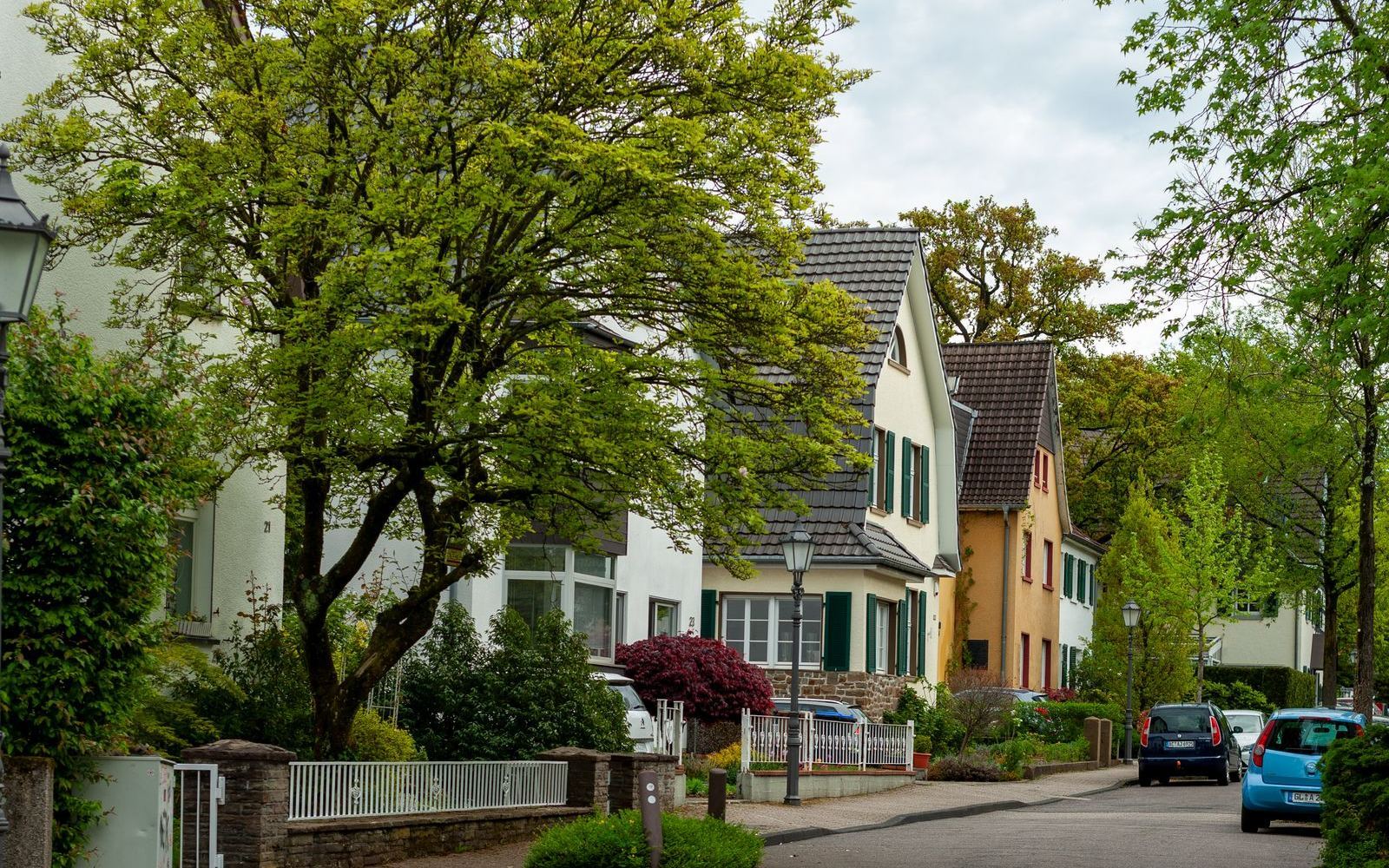
The neighborhood grew up in the 1880s–1900s around a military plaza and armory (long gone), when the railroad's arrival made this the fashionable end of town. The result is the most architecturally varied historic district in Tucson: turreted Victorians that look imported from San Francisco sit next to adobe Territorials and Craftsman bungalows, nearly all of it contributing to a National Register historic district. Armory Park itself is a full city block of lawn, mature trees, and a gazebo, and the Armory Park Center next door runs one of the city's busiest senior programs — exercise classes, lunches, and events that give the neighborhood an unusually intergenerational daily rhythm.
Housing stock and typical prices
Homes here are larger than Barrio Viejo's row houses: expect 1,800–3,200 square feet, real yards, carriage houses, and detached garages on alleys — a combination preservationists elsewhere in the center can't get. Listings commonly range from the high $400,000s for a modest bungalow to $900,000+ for a restored Victorian facing the park; recent median list prices have run in the $500,000–$700,000 band depending on the quarter. As in Barrio Viejo, the maintenance brief is a preservation brief: wood windows, brick pointing, and roof work on a 120-year-old structure cost more than the suburban equivalents, and exterior changes go through historic review.
Who it suits
Downtown and county-government professionals, UA staff who want to walk or streetcar to work, retirees who value the senior center and single-story living, and buyers who want a historic home with more space than the barrios offer. The Armory Park Neighborhood Association is active and organized, which newcomers consistently cite as a reason the area feels looked-after.
Schools and commute
The neighborhood is in Tucson Unified; families use the magnet system heavily — Drachman Montessori and Carrillo magnets are close, and Tucson High Magnet is about a mile north. Our schools guide explains open enrollment. For commuting, Armory Park is arguably the most connected residential neighborhood in the metro: the Sun Link streetcar's Broadway corridor runs along its northern edge, downtown offices are walkable, the UA is about 1.5 miles, and I-10/I-19 junctions are five minutes by car. The airport is roughly 15 minutes.
Honest trade-offs
Proximity to downtown cuts both ways: the neighborhood borders the Greyhound station area and the Fourth Avenue underpass corridor, and residents are frank about transient activity and the need for normal urban awareness. Parking tightens during downtown events and festivals. Older-home insurance and lender requirements can surprise buyers used to newer construction — a few insurers want to see updated wiring and plumbing certificates. Still, for buyers comparing Tucson's central historic districts, Armory Park offers the best space-for-money of the three; it anchors our Central Tucson guide alongside Sam Hughes. Check current central-city pricing in the market report before you tour.
Daily life around the park
Armory Park's center of gravity is literal: one square block of green in the middle of the grid. Morning dog walkers, the senior center's class schedule, and weekend events under the trees set the tempo, and homes facing the park trade at a visible premium for it. The Armory Park Center runs programming all week — fitness classes, a congregate lunch program, art and dance — and it's a big reason retirees target the neighborhood specifically rather than the historic center generally. Groceries and daily needs split between downtown's small markets and the Broadway corridor; a car is still useful, but this is one of the few Tucson neighborhoods where a confident cyclist or streetcar rider can treat it as optional for weeks at a time.
Buying a 120-year-old house: what to check
Armory Park rewards buyers who budget for the unglamorous list. Get the sewer line scoped — original clay lines are at end-of-life across the district. Ask for documentation on electrical service upgrades (many homes were rewired in stages), roof structure on the Victorians (steep pitches and turrets multiply roofing costs), and any unpermitted additions, which historic review can complicate retroactively. Lenders occasionally balk at mixed-condition historic homes; a local lender who closes in the district regularly is worth more than a marginal rate difference. Finally, confirm whether a property sits inside the historic preservation zone boundary — most do — and request the seller's file of prior approvals, which speeds up your own future projects. Done right, the homework is a one-time cost for a house that has already proven it can stand for a century.
Quick facts
Boundaries: roughly 12th to 19th Streets, Stone Avenue to Third Avenue, immediately south of downtown. Era: 1880s–1920s Victorian, Territorial, and bungalow homes. Typical prices: ~$450K–$800K+. School district: Tucson Unified, magnet-heavy. Best for: downtown professionals, retirees who value the Armory Park Center, historic-home buyers who need real space. Watch for: century-old systems, sewer lines, event parking, and the normal awareness that comes with a downtown edge. Among Tucson's three great central historic districts, Armory Park is the one where a growing family and a preservationist can compromise — the houses are big enough, and the park does daily work that a backyard doesn't have to.